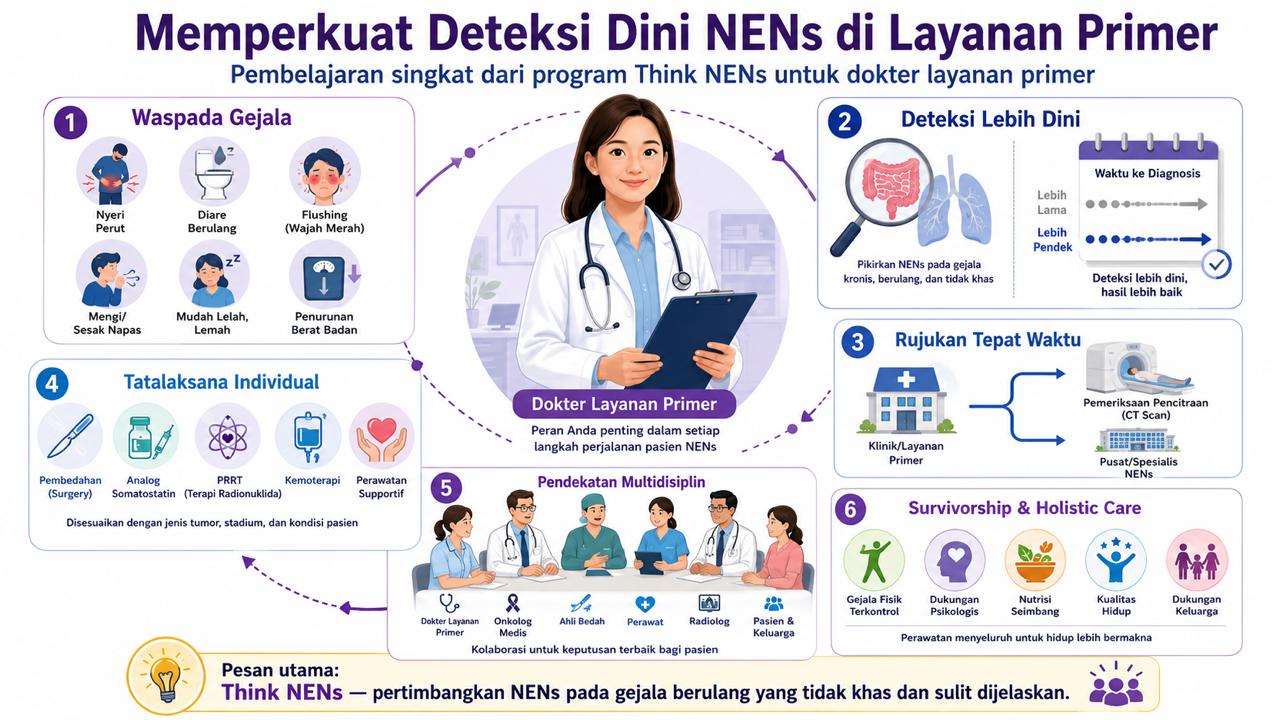
Strengthening early detection of neuroendocrine neoplasms in primary care requires clinical awareness, careful assessment of recurrent non-specific symptoms, timely imaging, appropriate referral, and multidisciplinary, person-centred care.
Blog atau Artikel
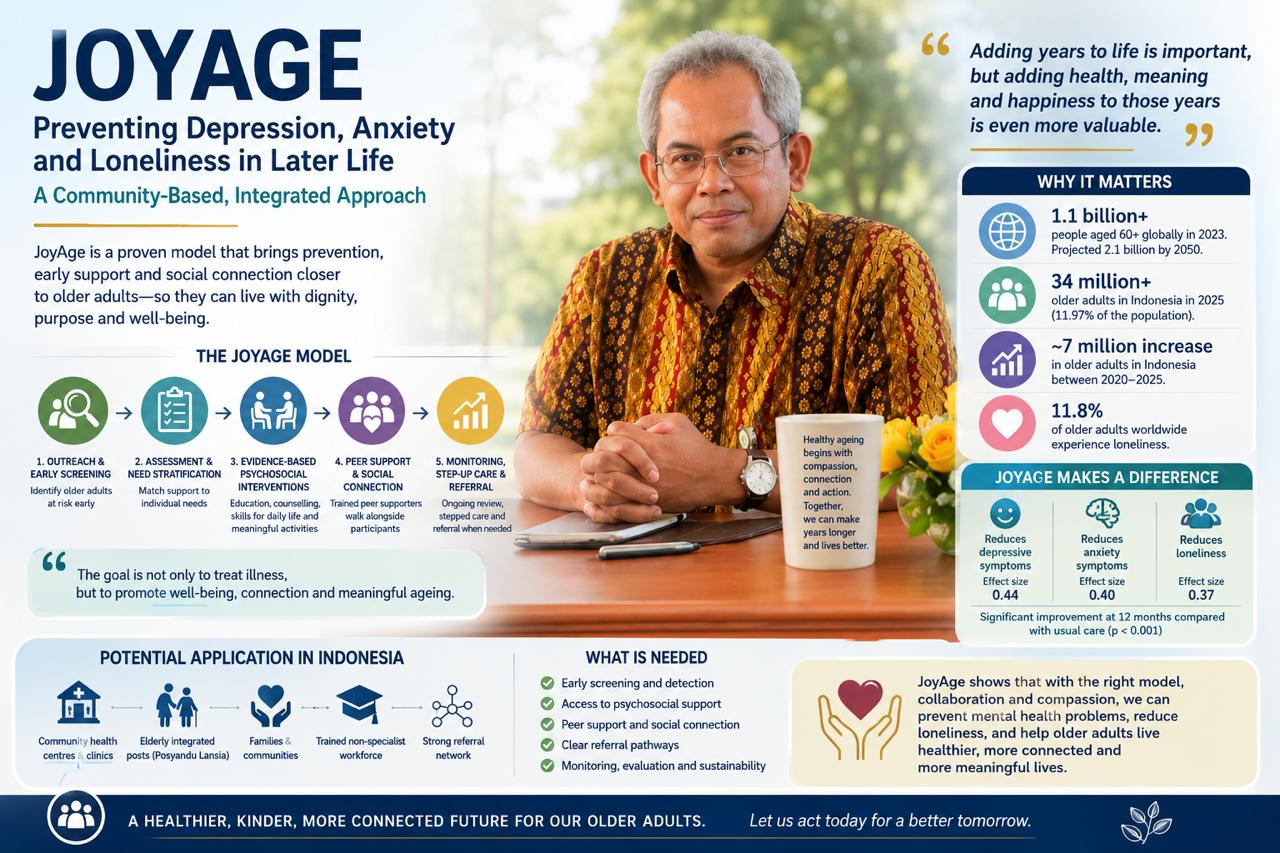
A Community-Based Model for Preventing Depression, Anxiety and Loneliness Introduction The world is undergoing a profound demographic transition marked by a rapid rise in both
JoyAge adalah program kesehatan mental lansia berbasis komunitas yang memadukan deteksi dini, konseling psikososial, dukungan teman sebaya, dan pelayanan bertahap. Penelitian terhadap 3.416 lansia menunjukkan program ini dapat mengurangi gejala depresi, kecemasan, dan kesepian dalam 12 bulan.
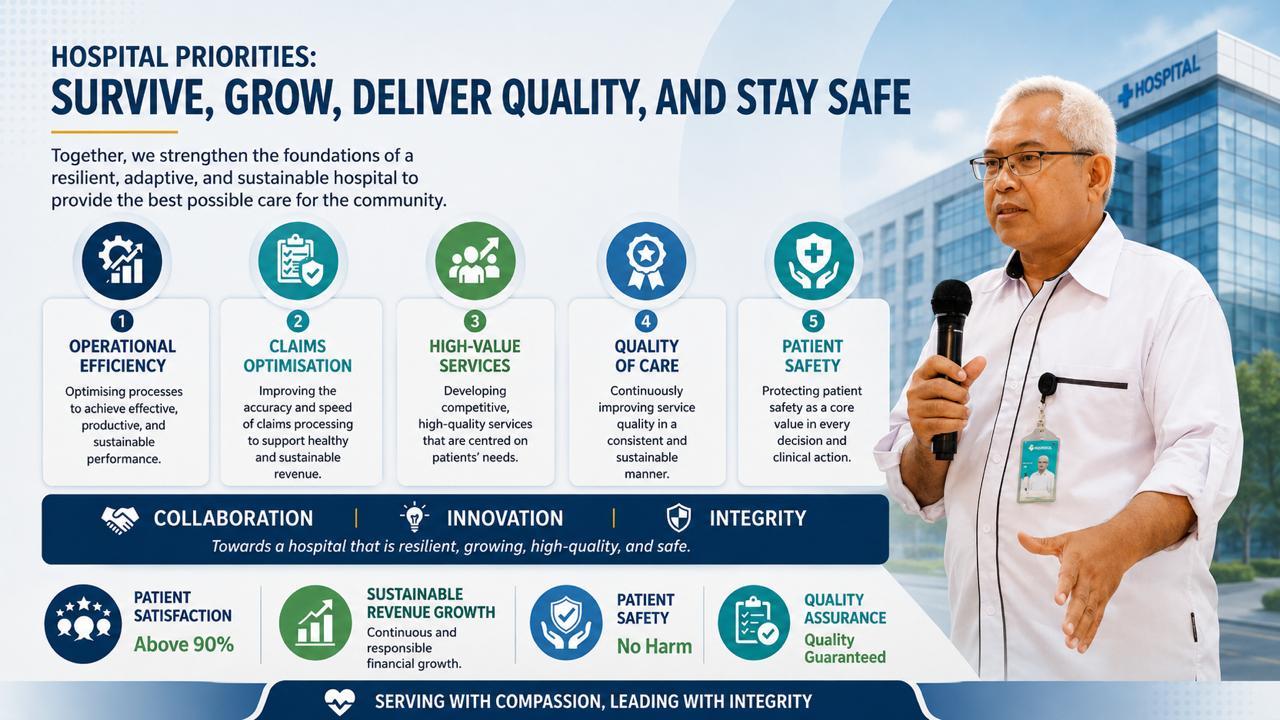
Hospitals can remain financially sustainable by improving operational efficiency, strengthening revenue-cycle management, developing high-value services, and protecting quality and patient safety. Sustainable growth must be based on value, trust, and measurable clinical outcomes.
Hospitals can remain financially sustainable by improving operational efficiency, strengthening revenue-cycle management, developing high-value services, and protecting quality and patient safety. Sustainable growth must be based on value, trust, and measurable clinical outcomes.
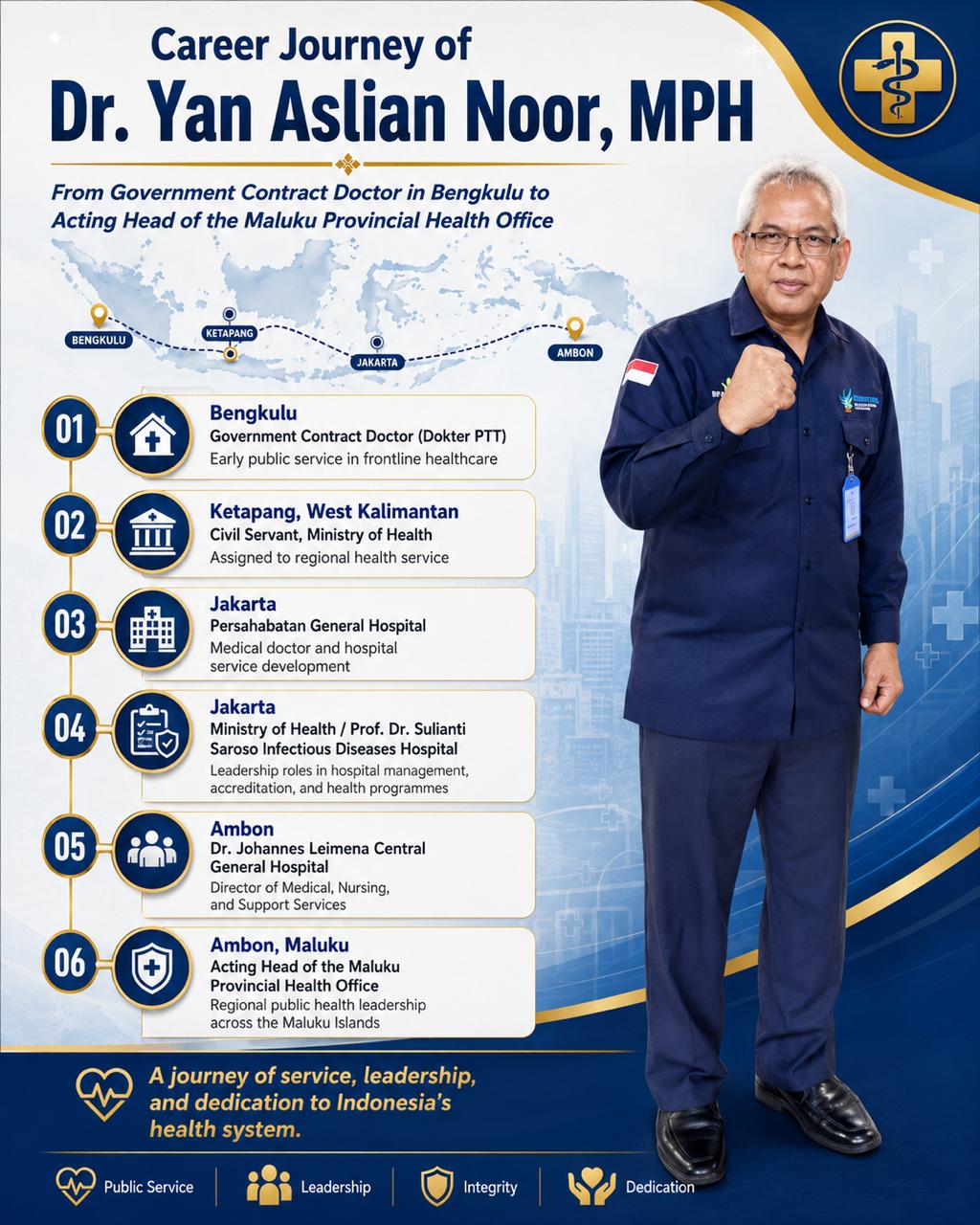
A professional journey spanning frontline medicine, hospital management, public health leadership, and health-system development across Bengkulu, Ketapang, Jakarta, and Maluku.
I am truly grateful for the opportunity to participate in the ISQua COPLAC webinar held on Thursday, 25 June 2026, entitled “Estatuto dos Direitos do
Saya merasa sangat berterima kasih dapat mengikuti webinar ISQua COPLAC pada hari Kamis tanggal 25 Juni 2026 bertema “Estatuto dos Direitos do Paciente no Brasil:
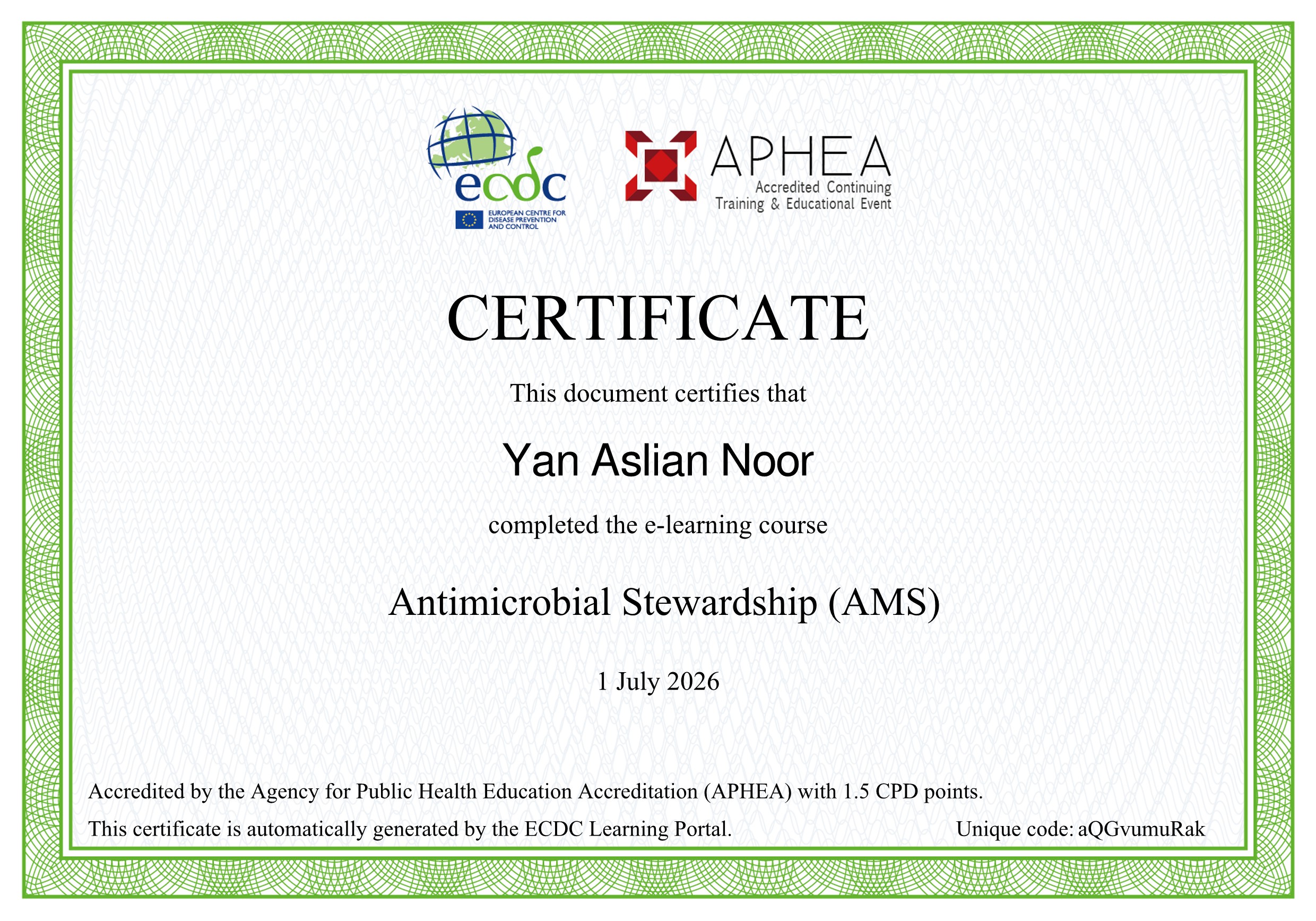
Successfully completed the APHEA-accredited Antimicrobial Stewardship (AMS) programme organised by the European Centre for Disease Prevention and Control (ECDC), earning 1.5 CPD points.
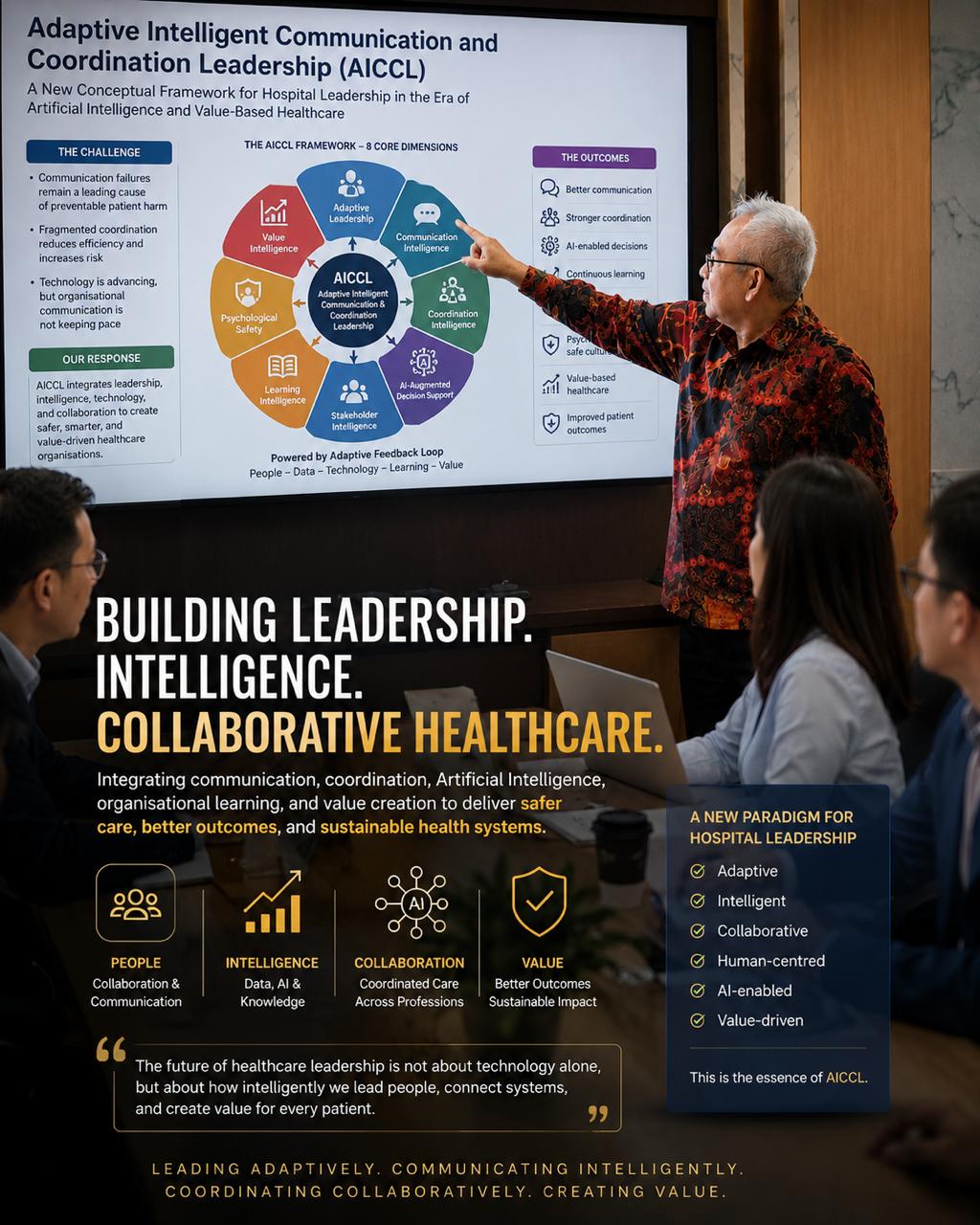
AICCL proposes a new leadership framework that integrates communication, artificial intelligence, and organisational learning to support safer, smarter, and more collaborative hospitals.
View More